
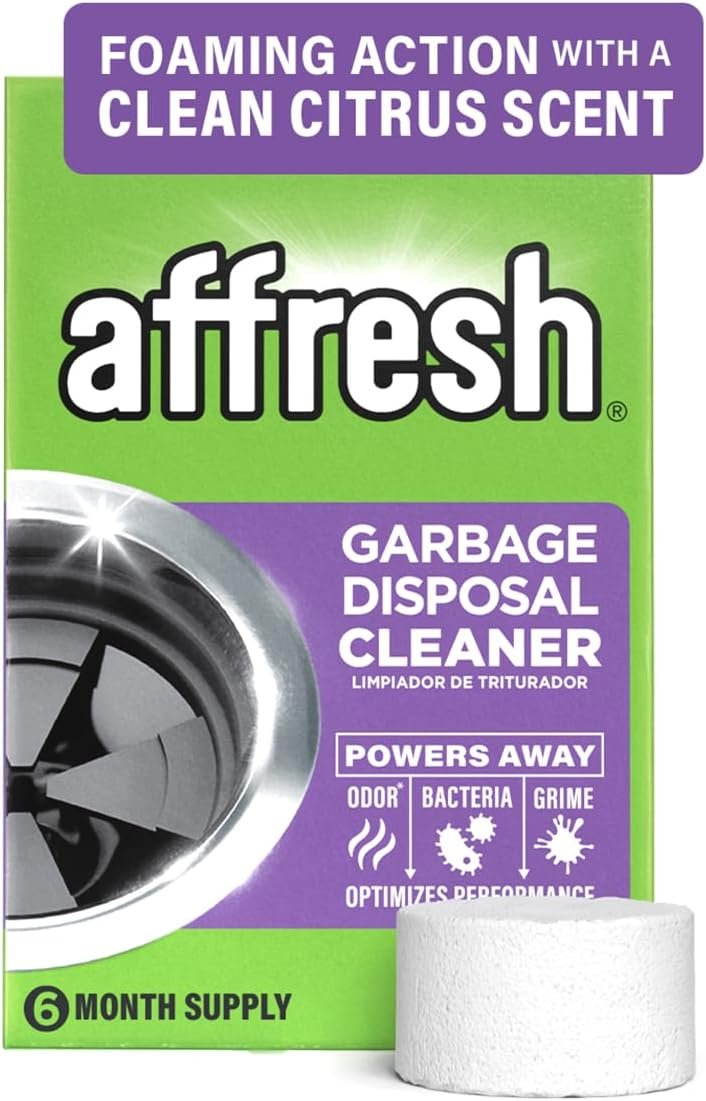
A septic-safe dishwasher cleaner is one whose manufacturer states it is safe for septic systems and that you use it as directed, not in excess. I found no independent certification for this, so the label claim is the main evidence. For example, Affresh states on its website that its dishwasher cleaner “is EPA Safer Choice Certified and is septic safe.” Septic experts at Purdue and the University of Arizona say to avoid heavy or frequent use of bleach, disinfectants, and harsh chemicals, which can kill the bacteria a septic tank relies on. Ordinary, occasional use at labeled amounts is generally treated more leniently.
Read More: Active Dishwasher Cleaner Tablets: Review & How to Use
What “Septic Safe” Means (and Doesn’t)
A septic tank relies on bacteria to break down waste. The concern with any cleaner is whether it harms that bacteria or clogs the system.
- There’s no official septic certification I could find. I found no government standard behind the phrase on a label, so it is the maker’s claim. That’s my finding from the sources I could read, not a statement from any of them.
- Safer Choice isn’t a septic claim. The Affresh page says its product is both EPA Safer Choice Certified and septic safe, which lists them as separate claims. I couldn’t load EPA’s Safer Choice page, so I can’t say what the label covers regarding septic systems.
- The label should say it. If a product’s page or packaging doesn’t mention septic systems, you can’t assume it is safe. The Lemi Shine Dishwasher Cleaner page I read, for example, mentions citric acid and Safer Choice ingredients but says nothing about septic systems.
What Experts Say About Cleaning Chemicals and Septic Systems
Bleach and disinfectants
- Purdue Extension (“Keep the Dirty Dozen Out of Your Onsite Sewage System”) says “using bleach excessively or using bleach without diluting it can seriously reduce the bacteria in a septic tank.” It treats limited use at reasonable levels more leniently, and says dumping a dose of disinfectants down the drain all at once can be harmful.
- University of Arizona Extension says products labeled “antibacterial,” “disinfectant”, or “sanitizing” can destroy both good and bad bacteria in septic systems. Normal use kills some beneficial bacteria, but the system usually recovers, while “excessive use… can cause significant and even total destruction of the bacteria population.” It advises using the minimum amount of soap, detergent,t and bleach necessary.
- Virginia Tech Extension lists bleach and antibacterial cleaners among products that shouldn’t go down the drain, and warns that harsh cleaning and unclogging products can kill the bacteria that break down solids.
Drain cleaners
Purdue says that used according to label directions, drain cleaners should not cause lasting harm, but even a small amount of crystal drain cleaner can be quite harmful to organisms in a tank, and excessive use is a concern.
Detergents
Purdue says powder detergent leaves an inert residue that adds sludge, which must be removed more often, and that liquid dishwashing soap is more septic system-friendly than powdered soaps. That passage refers to soaps in general, not specifically to dishwasher cleaners.
What a lab study found
A 1987 University of Arkansas study (Gross) tested doses needed to kill septic tank bacteria in a 1,000-gallon tank. Liquid chlorine bleach needed about 7 liters, Lysol about 19 liters, and Drano crystal about 11.3 grams. In each case, the bacteria recovered within about 30 hours to 2.5 days. The study did not test dishwasher cleaners, and it is almost 40 years old, so I treat it only as an illustration that recovery can happen after a dose.
What this means: the sources agree the risk is in excessive, frequent, or concentrated use of strong antibacterial and bleach-type products, not in the occasional, labeled use of a cleaner. None of them tested dishwasher cleaners.
How to Choose a Septic Safe Dishwasher Cleaner
- Look for an explicit septic statement on the label or the manufacturer’s page. Affresh is one product that states it.
- Read the ingredients and directions. Arizona Extension advises reading labels for ingredients and directions.
- Be wary of bleach or “disinfecting” claims if you’re on a septic system. The extension sources above flag these.
- Prefer cleaners without chlorine bleach. This follows from the extension guidance on bleach. The sources don’t test specific cleaners, so it’s my inference.
- Use the labeled amount, and no more. Purdue says to use products at labeled concentrations and avoid large one-time dumps.
- Check your tank’s own guidance. If your system was installed under a local permit or you have a service contract, ask the installer or pumper what they advise. This is my suggestion.
One Product That States It: Affresh
On Affresh’s site, the Dishwasher Cleaner Tablets page says: “Affresh dishwasher cleaner is EPA Safer Choice Certified and is septic safe.” The page says the tablets can be used with or without dishes. It does not list ingredients, use frequency, or price, so check the packaging.
This is the manufacturer’s claim. I haven’t verified it independently, and I’m not endorsing the product. I couldn’t find an equivalent septic statement from Finish (its FAQ page didn’t load) or on the Lemi Shine page, so that doesn’t mean they aren’t safe, only that I couldn’t confirm.

How to Use a Dishwasher Cleaner Without Stressing Your Septic System
- Follow the directions on the package, including the interval. Lemi Shine’s page says to use it once a month or as needed, for example.
- Don’t double up unless the label says to. Lemi Shine’s page notes that heavy buildup may need two pouches for the first cleaning, which is the label’s own instruction.
- Clean the filter and spray arms by hand to reduce how often you need a chemical cleaner. That’s my suggestion, not a source claim.
- Keep grease and food solids out. Virginia Tech cautions that grease and oil can clog the system and advises minimizing garbage disposal use, since disposal waste speeds up solids buildup.
- Skip septic additives. Arizona Extension says bacterial additives (enzymes, starters) aren’t necessary.
- Pump on schedule. The EPA’s SepticSmart insert recommends inspection and pumping by a licensed contractor as needed, on average every three to five years.
What About Vinegar, Citric Acid or Baking Soda?
I couldn’t find a reliable extension or agency source on dishwasher cleaning with vinegar, citric acid,o r baking soda and septic systems. Several results that came up looked like low-quality or auto-generated pages, so I didn’t use them. If you want a homemade approach, ask your septic pumper or local health department.
Signs Your Septic System May Not Like Something
The sources I read don’t give a symptom list, so check with a septic professional if you notice slow drains, odors, or gurgling after changing products. That’s my general advice.
Frequently Asked Questions
Is dishwasher cleaner safe for septic tanks?
It can be. Some manufacturers state it is, such as Affresh, and extension sources say the risk is mainly from excessive or frequent use of strong chemicals like bleach and disinfectants.
What does “septic safe” mean on a label?
It’s the manufacturer’s claim. I found no official septic certification behind it.
Is EPA Safer Choice the same as septic safe?
No. The Affresh page lists them as two separate claims. I couldn’t verify what the Safer Choice label says about septic systems.
Can bleach harm a septic system?
Purdue says using bleach excessively or undiluted can seriously reduce the bacteria in a septic tank, while limited use at reasonable levels is treated more leniently.
Do disinfecting or antibacterial cleaners hurt a septic tank?
Arizona Extension says they can destroy both good and bad bacteria, and that heavy use can cause significant or even total destruction of the bacteria population.
How often can I run a dishwasher cleaner?
Follow the label. Lemi Shine’s page says once a month or as needed. The sources don’t give a septic-specific interval.
Is powder or liquid detergent better for septic systems?
Purdue says powder leaves an inert residue that adds sludge and calls liquid dishwashing soap more septic-friendly. It’s about soaps generally, not dishwasher cleaners specifically.
Conclusion
A septic safe dishwasher cleaner is one whose maker says so on the label or website, and that you use at the labeled amount. The extension sources I read from Purdue, Arizona, a nd Virginia Tech agree that bleach, disinfectants, and harsh chemicals are the concern when used heavily or all at once, while occasional, labeled use is treated more leniently. Because no independent standard sits behind the phrase and none of the sources tested dishwasher cleaners, check the manufacturer’s statement, skip septic additives, keep grease out of the system, and ask your septic professional if you have doubts.