
Opening your Bosch dishwasher after a full cycle only to find wet dishes, dripping glasses, and water sitting on plastic containers can be frustrating. The good news is that a Bosch dishwasher not drying dishes doesn’t always mean something is broken. Low rinse aid, incorrect cycle settings, overloaded racks, blocked ventilation, or normal condensation-drying behavior can all cause poor drying results. In most cases, a few simple adjustments can make a noticeable difference without an expensive repair.
Read More: Bosch Dishwasher E06 Error: Causes, Reset & How to Fix It
Why Is My Bosch Dishwasher Not Drying Dishes?
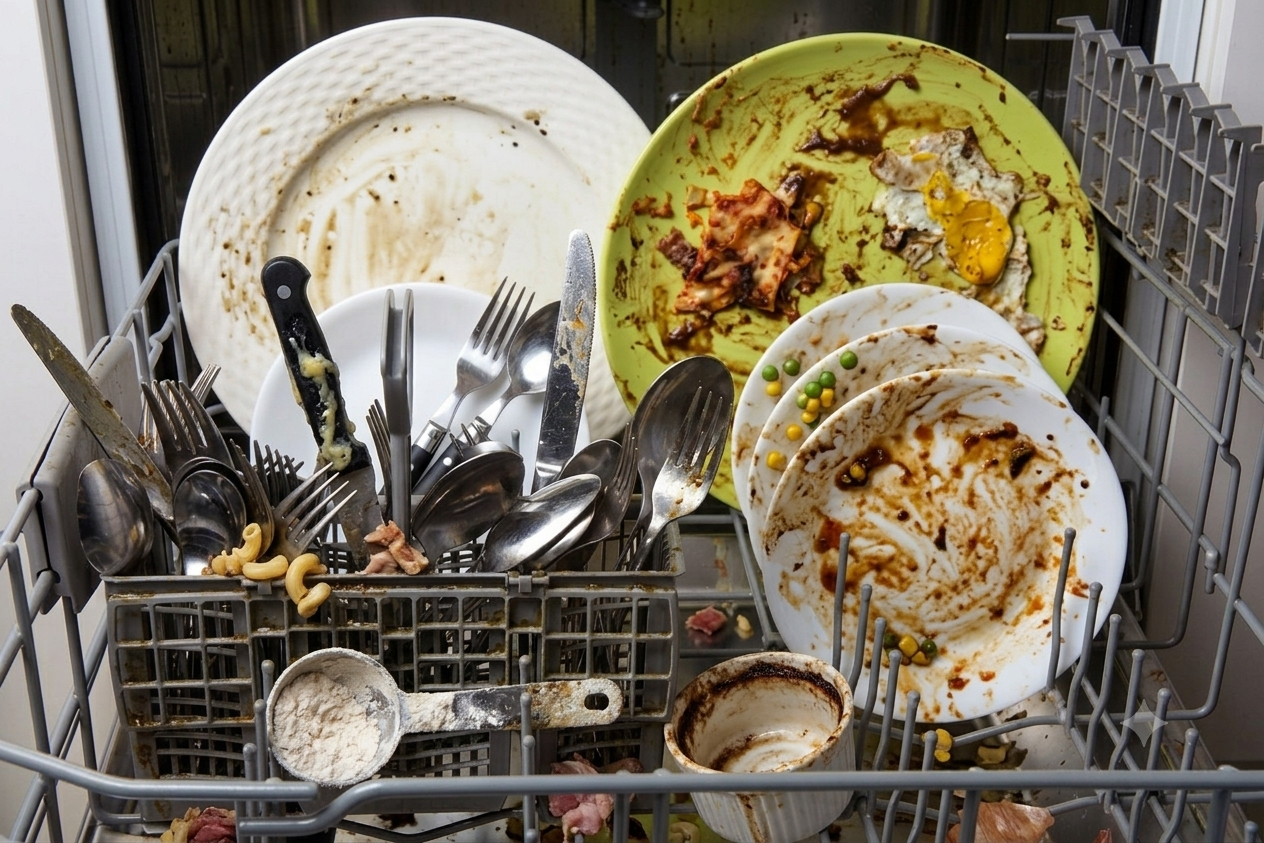
Bosch dishwashers commonly use condensation drying rather than a traditional exposed heating element. During the final stage of the wash, hot water heats the dishes, and moisture condenses on the cooler stainless-steel tub before draining away.
This method is energy-efficient, but it can leave certain items wetter than expected, especially plastic containers and cups.
Here are the most common reasons your Bosch dishwasher isn’t drying properly.
1. Rinse Aid Is Empty or Too Low
One of the most common reasons a Bosch dishwasher leaves dishes wet is insufficient rinse aid.
Rinse aid reduces the surface tension of water, helping droplets slide off dishes instead of collecting on them. Without enough rinse aid, you may notice:
- Water spots on glasses.
- Wet plates after the cycle.
- Droplets remaining on cups and bowls.
- Poor drying performance on stainless-steel items.
How to fix it:
- Open your dishwasher door.
- Locate the rinse aid dispenser, usually next to the detergent compartment.
- Open the dispenser cap.
- Fill it with dishwasher rinse aid.
- Close the cap securely.
- Run another wash cycle and check the results.
If your dishes remain wet, check the rinse aid dosage setting. Increasing it slightly may improve drying, although excessive rinse aid can cause streaks or foaming.
2. You’re Using the Wrong Wash Cycle
Not every Bosch dishwasher program provides the same drying performance.
Quick Wash or Express cycles are designed to save time, so they may not provide the same drying results as longer programs.
For better drying, consider using:
- Auto: Adjusts washing performance based on detected soil levels.
- Normal: Suitable for everyday dishes.
- Intensive: Designed for heavily soiled cookware.
- Extra Dry: Available on selected models to increase drying performance.
How to fix it:
Check your dishwasher control panel for an Extra Dry or similar drying option. Activate it when washing dishes that need additional drying time.
Remember that cycle names and available options vary by Bosch dishwasher model.
3. Plastic Containers Are Still Wet
Have you noticed that ceramic plates and glass cups are dry while plastic food containers remain covered in water?
This is usually normal with condensation drying.
Plastic does not retain heat as effectively as glass, ceramic, and metal. As a result, plastic items may not become warm enough to evaporate moisture efficiently.
How to fix it:
- Place plastic containers on the upper rack when permitted by the manufacturer.
- Angle containers downward so water can drain.
- Avoid nesting plastic bowls together.
- Use the Extra Dry option if available.
- Remove plastic items and towel-dry them if necessary.
Always check that plastic items are labeled dishwasher-safe before washing.
4. The Dishwasher Is Overloaded
Overloading your Bosch dishwasher can prevent hot water and air from circulating properly.
When dishes are packed too tightly, water becomes trapped between plates, cups, and bowls. This can lead to wet dishes even when the dishwasher completes its cycle correctly.
How to fix it:
- Leave enough space between plates.
- Avoid stacking bowls tightly together.
- Position cups and glasses at an angle.
- Make sure large pans do not block smaller items.
- Keep spray arms free to rotate.
Proper loading helps both cleaning and drying performance.
5. You’re Opening the Dishwasher Too Early
Your Bosch dishwasher may need additional time after the wash cycle to complete its drying process.
Opening the door immediately after the cycle ends can release warm, moist air before condensation drying has finished.
How to fix it:
Allow the dishwasher to finish its program. If your model has an automatic door-opening feature, make sure it is enabled when appropriate.
You can also carefully open the door slightly after the cycle ends, if your model’s instructions permit it, to release steam and help moisture escape.
6. You’re Using Detergent Without Good Drying Performance
Some dishwasher tablets and combination detergents do not deliver the same drying results.
Even if your detergent contains rinse aid, it may not release it at the ideal stage of the wash cycle. This can leave water droplets on dishes.
How to fix it:
- Use a quality dishwasher detergent.
- Add separate rinse aid, even if your detergent claims to include it.
- Avoid using excessive detergent.
- Check the manufacturer’s recommendations for detergent compatibility.
If you notice persistent water spots, adjusting the rinse aid dosage may also help.
7. Dishwasher Filters or Spray Arms Need Cleaning
Dirty filters and blocked spray arms can affect washing performance. When water circulation is restricted, dishes may not receive an effective final rinse.
This can contribute to poor overall results.
How to fix it:
- Turn off the dishwasher.
- Remove the lower rack.
- Locate and remove the dishwasher filter according to your model’s manual.
- Rinse the filter under running water.
- Use a soft brush to remove food debris.
- Inspect the spray arm openings for visible blockages.
- Reinstall everything correctly.
Clean the filter regularly to maintain proper dishwasher performance.
8. Your Bosch Dishwasher Has a Drying Technology Limitation
Different Bosch dishwasher models use different drying technologies.
For example:
- PureDry: Uses condensation drying to remove moisture from dishes.
- AutoAir: Automatically opens the dishwasher door at the end of selected cycles to release moisture.
- CrystalDry: Uses natural minerals to transform moisture into heat and improve drying, including on plastics.
If your Bosch dishwasher uses a standard condensation drying system, some plastic items may remain wet even when the appliance is working correctly.
Check your model number and user manual to understand which drying features are available.
You can learn more about these technologies on the official Bosch dishwasher drying technology page.
9. A Component or Sensor May Be Malfunctioning
If you have tried the basic troubleshooting steps and your dishes are still coming out completely wet, your dishwasher may have a technical problem.
Potential issues include:
- A malfunctioning temperature sensor.
- A faulty heating or drying component on models equipped with one.
- A problem with the control board.
- A fault affecting the dishwasher’s drying cycle.
- A malfunction in a model-specific drying system.
Not every Bosch dishwasher uses a conventional heating element, so the correct diagnosis depends on the model.
How to fix it:
Check your dishwasher for error codes and consult the owner’s manual. If the problem continues, arrange an inspection with a qualified appliance technician.
Avoid dismantling electrical components yourself.
How to Fix a Bosch Dishwasher Not Drying Dishes: Quick Troubleshooting Checklist
If you want to solve the problem without spending hours troubleshooting, follow these steps in order.
| Troubleshooting step | What to do |
| Check rinse aid | Refill the dispenser |
| Check wash settings | Select a cycle with drying |
| Enable Extra Dry | Activate it if available |
| Load dishes correctly | Leave enough space between items |
| Position cups and bowls | Tilt them to drain water |
| Check detergent | Use a suitable dishwasher detergent |
| Clean the filter | Remove food debris |
| Wait after the cycle | Allow up to 30 minutes before unloading |
Try these steps before assuming your dishwasher needs a repair.
How to Improve Bosch Dishwasher Drying Performance
Here are some additional habits that can help your dishwasher produce better drying results.
Use the Extra Dry Setting
If your Bosch dishwasher includes an Extra Dry option, use it when you need better drying performance.
This setting can increase the final rinse temperature and extend the drying phase, depending on the model.
Unload the Bottom Rack First
When unloading your dishwasher, remove the bottom rack before the upper rack.
Why?
Water can collect on the underside of cups and bowls in the upper rack. If you remove the upper rack first, that water may spill onto your already-dry dishes below.
Avoid Nesting Dishes
Do not place bowls, cups, or containers tightly inside one another.
Water gets trapped between these surfaces, making it harder for the dishwasher to dry them properly.
Keep the Rinse Aid Dispenser Filled
Check the rinse aid indicator regularly. Refill the dispenser whenever the indicator shows that it is empty or low.
For additional instructions, visit the official Bosch rinse aid guide.
When Should You Call a Bosch Dishwasher Repair Technician?
Sometimes, basic troubleshooting is not enough.
Consider professional assistance if:
- The dishwasher repeatedly fails to complete its drying cycle.
- Your dishes remain extremely wet despite using rinse aid and Extra Dry.
- The dishwasher displays a persistent error code.
- You notice unusual noises or electrical problems.
- A model-specific drying system appears to have stopped working.
A qualified technician can inspect the relevant components, test the appliance, and identify the underlying fault.
Before arranging a repair, check whether your dishwasher is still covered by its manufacturer’s warranty.
You can also visit Bosch Official Customer Support for additional troubleshooting guidance.
Frequently Asked Questions
1. Why is my Bosch dishwasher not drying dishes completely?
The most common reasons include insufficient rinse aid, incorrect wash settings, overcrowded racks, plastic items, and dishes being unloaded too early. Check these issues before arranging a repair.
2. Why are my Bosch dishwasher dishes wet but clean?
Your dishwasher may be cleaning correctly but not providing the drying results you expect. Check the rinse aid level, activate Extra Dry if available, and allow approximately 30 minutes after the cycle finishes before unloading.
3. Does a Bosch dishwasher have a heating element?
Bosch dishwashers generally use condensation drying rather than a traditional exposed heating element at the bottom of the appliance. However, some models include additional drying technologies that improve performance.
4. Why does my Bosch dishwasher leave plastic dishes wet?
Plastic does not retain heat as effectively as glass or ceramic. Because Bosch commonly uses condensation drying, plastic containers can remain wet even when other dishes are completely dry.
5. Should I use rinse aid in my Bosch dishwasher?
Yes. Rinse aid helps water slide off dish surfaces, reducing water droplets and improving drying performance. It can be beneficial even when you use dishwasher tablets that contain rinse aid.
6. How long should I wait before unloading my Bosch dishwasher?
Bosch recommends waiting until the program finishes and, for models covered by its troubleshooting guidance, allowing about 30 additional minutes before unloading.
7. Why is the inside of my Bosch dishwasher wet after a cycle?
A wet stainless-steel interior is generally normal. Bosch uses condensation drying, which causes moisture to collect on the cooler interior walls before draining away. A wet tub does not automatically indicate a malfunction.
8. Does Extra Dry work on all Bosch dishwashers?
No. Extra Dry availability depends on the model. Check your dishwasher’s control panel and owner’s manual to see whether this feature is supported.
Final Thoughts
A Bosch dishwasher not drying dishes does not necessarily mean you need an expensive repair. In many cases, the problem comes down to low rinse aid, unsuitable wash settings, incorrect loading, or the natural limitations of condensation drying.
Start by refilling the rinse aid dispenser, selecting Extra Dry if available, positioning dishes correctly, and waiting before unloading. These simple adjustments can significantly improve drying performance.
If your Bosch dishwasher continues leaving dishes wet after trying these solutions, consult your model-specific manual or contact a qualified appliance repair technician.
The key is to identify whether you’re dealing with a normal drying limitation or an actual appliance fault before spending money on repairs.